
NDIS Household Tasks Assistance: What’s Covered?
The quick version
- NDIS household tasks assistance helps you maintain a safe, clean home.
- It’s funded under Core Supports, within the Assistance with Daily Life category.
- Cleaning, laundry, meal prep, and home organisation may all be covered.
- Yard maintenance and minor home repairs can also be included.
- Support is based on your individual needs, goals, and the reasonable and necessary criteria.
- You can receive hands-on help or build your skills alongside a support worker.
- St Jude’s provides in-home support across WA and QLD. Call us on (08) 9279 4343 (WA) or (07) 2800 6050 (QLD).
If you’re an NDIS participant, there’s a good chance you’ve wondered what kind of practical, everyday help your plan can actually pay for. Maybe you’re finding it harder to keep up with the vacuuming, the dishes are piling up, or getting dinner on the table feels like a bigger job than it used to be. Those are the kinds of tasks that can quietly eat into your energy, your safety, and your sense of control at home.
The good news is that NDIS household tasks assistance exists for exactly this reason. It’s designed to help you keep your home clean, safe, and functional when your disability makes it difficult to manage on your own. This guide breaks down what’s covered, who it’s for, and how to get it into your plan.
What is NDIS household tasks assistance?
NDIS household tasks assistance is a funded support that covers help with essential domestic chores you can’t safely or independently complete because of your disability. It sits within your Core Supports budget, under the Assistance with Daily Life category.
Core Supports is the most flexible part of your NDIS plan. It covers everyday assistance, and you can often shift spending between sub-categories as your needs change without needing a formal plan review.
It also helps to know the difference between household tasks and personal care. Both fall under Assistance with Daily Life, but they cover different things. Personal care is help with bathing, dressing, grooming, and mobility. Household tasks focus on maintaining your physical home: cleaning, cooking, laundry, and general upkeep. If your disability affects both, you can access a combination within the same Core Supports budget.
What household tasks may be covered?
The specific tasks funded through your plan depend on your individual needs, your goals, and what the NDIA considers reasonable and necessary. There’s no blanket list that applies to every participant. That said, the following are commonly funded under NDIS household tasks assistance.
Cleaning
Routine domestic cleaning is one of the most frequently funded household supports. This can include vacuuming carpets and mopping floors, scrubbing bathrooms (toilets, showers, bathtubs, and sinks), wiping down kitchen surfaces and cleaning inside appliances like ovens, microwaves, and fridges, dusting furniture, washing dishes, emptying bins, and taking out the rubbish.
The focus is on essential hygiene and safety, not deep cleaning or cosmetic upkeep. But for many participants, just having someone take on these basics makes a real difference to how their home feels day to day.
Laundry and linen changes
Keeping clothing and bedding clean is important for dignity and physical health, particularly for participants with limited mobility. Support can include washing, drying, folding, and putting clothes away, as well as ironing when needed. Changing bed linen is a priority because it directly supports skin integrity and overall hygiene.
Meal preparation support
If your disability makes cooking difficult or unsafe, you may be able to access meal preparation support. A support worker might help with meal planning, grocery shopping, chopping and cooking, and safely storing meals. They can also work alongside you in the kitchen to build your confidence and cooking skills over time.
Basic home organisation
For someone with a physical or cognitive disability, clutter can create real safety hazards and add to daily stress. Funded support can include tidying and decluttering living spaces, organising pantries, wardrobes, and medicine areas, sorting mail, helping set up systems for managing household bills, and building routines so you can maintain your home more independently over time.
The NDIS doesn’t pay your bills, but it can fund a support worker’s time to help you manage them.
Support workers can also help clean and maintain mobility aids like wheelchairs, walkers, and grab rails. Keeping this equipment hygienic matters for safe daily use.
Yard maintenance and minor repairs
Under the NDIS Pricing Arrangements, essential yard work and minor home maintenance can also be covered. This includes basic lawn mowing, weeding, pruning, clearing pathways to prevent tripping hazards, and ensuring outdoor areas are accessible for wheelchairs and mobility aids.
What’s not covered
Being clear about exclusions is just as useful as knowing what’s included. Your household tasks budget cannot be used for:
- Rent, mortgage payments, or utility bills
- Groceries and food costs
- Major structural home repairs or renovations
- Cosmetic home improvements or landscaping
- Pest control or pool maintenance
- Cleaning shared areas used by housemates who don’t have a disability
- Services already funded by Medicare or another government programme
If you need physical changes to your home for accessibility (grab rails, ramps, bathroom modifications), those fall under a different category: Capital Supports.
Who is NDIS household tasks assistance for?

This support is for NDIS participants whose disability creates a direct barrier to managing their home safely and independently. What that looks like varies from person to person.
For someone with a physical disability, tasks like bending, lifting, or standing for long periods might be painful or dangerous. Vacuuming, mopping, or doing the laundry could lead to overexertion or falls. For someone with a cognitive, intellectual, or psychosocial disability, the challenge might be initiating tasks, following multi-step routines, or maintaining a consistent schedule. Living in an unhygienic or cluttered environment can worsen anxiety and depression, so support here is a genuine health intervention.
NDIS household tasks assistance is also relevant for participants transitioning to independent living, older participants with reduced mobility, and families where funded support provides much-needed respite from the physical demands of caregiving.
Australia has 3.0 million informal carers, and Carer Gateway reports that the demands of caregiving significantly affect carers’ own health and wellbeing. When a support worker takes over household chores, it frees families to focus on connection and quality time rather than an ever-growing list of jobs. Sometimes, the most meaningful thing a funded support can do is give everyone in the household a bit of breathing room.
The benefits of household tasks support
NDIS household tasks assistance does more than keep your house tidy. The benefits run deeper than that.
Regular cleaning reduces the risk of infections, particularly in bathrooms and kitchens. For participants with respiratory conditions, removing dust and allergens through vacuuming is a direct health measure. Meal preparation support means better nutrition, which has a flow-on effect for energy, mood, and immune function.
Decluttering and organising your home is also one of the most effective fall-prevention strategies. Clear walking paths, clean, dry floors, and well-maintained outdoor areas reduce injury risks significantly.
There’s a mental health dimension too. A neglected or chaotic living environment can exacerbate anxiety and depression. It can also lead to social isolation if you feel uncomfortable having people in your space. Maintaining a clean, comfortable home restores dignity and makes it easier to welcome friends, family, or other supports into your life.
And the support isn’t just about doing things for you. Many support workers focus on building skills alongside you, helping you learn safe cooking techniques, develop cleaning routines, or manage your household more independently over time. That shift from receiving help to building your own capacity is at the heart of what the NDIS is designed to do. Even small wins, like cooking a meal on your own for the first time, can feel like a turning point.
How to access NDIS household tasks assistance
To access this support, you need “Assistance with Daily Life” included in your plan’s Core Supports budget. If it’s already there, you can start using it for household tasks by choosing a provider and setting up a service agreement.
If it’s not currently in your plan, here’s how to get it added.
Start by documenting how your disability affects your ability to complete household chores. Be specific. “I can’t vacuum because bending forward causes severe lower back spasms” is far more useful than “I struggle with housework.” Think about the risks you face without support: falls, hygiene issues, worsening mental health.
Next, gather supporting evidence from your GP, physiotherapist, or occupational therapist confirming your functional limitations. A Functional Capacity Assessment from an OT is particularly valuable because it links your disability directly to daily living limitations. An FCA typically costs between $800 and $1,500 and involves two to three hours of face-to-face assessment.
Raise it in your next planning meeting with your NDIS planner, Local Area Coordinator, or support coordinator. They can help you demonstrate that household support is reasonable and necessary under section 34 of the NDIS Act.
If you already have an active plan without this funding, you can request a plan review rather than waiting for your next reassessment. Document the gap between what’s currently funded and what you actually need. It can feel like a lot of paperwork, but getting the right support in place is worth the effort.
Once approved, you choose a provider. If your plan is NDIA-managed, you’ll need a provider registered with the NDIS Commission. Plan-managed or self-managed participants have more flexibility. You’ll set up a service agreement covering which tasks are included, how often, and at what rate. Under the 2025–26 NDIS Pricing Arrangements, standard hourly rates for household tasks range from approximately $57 to $59 per hour, with higher rates in remote areas.
How support can be tailored to your routine
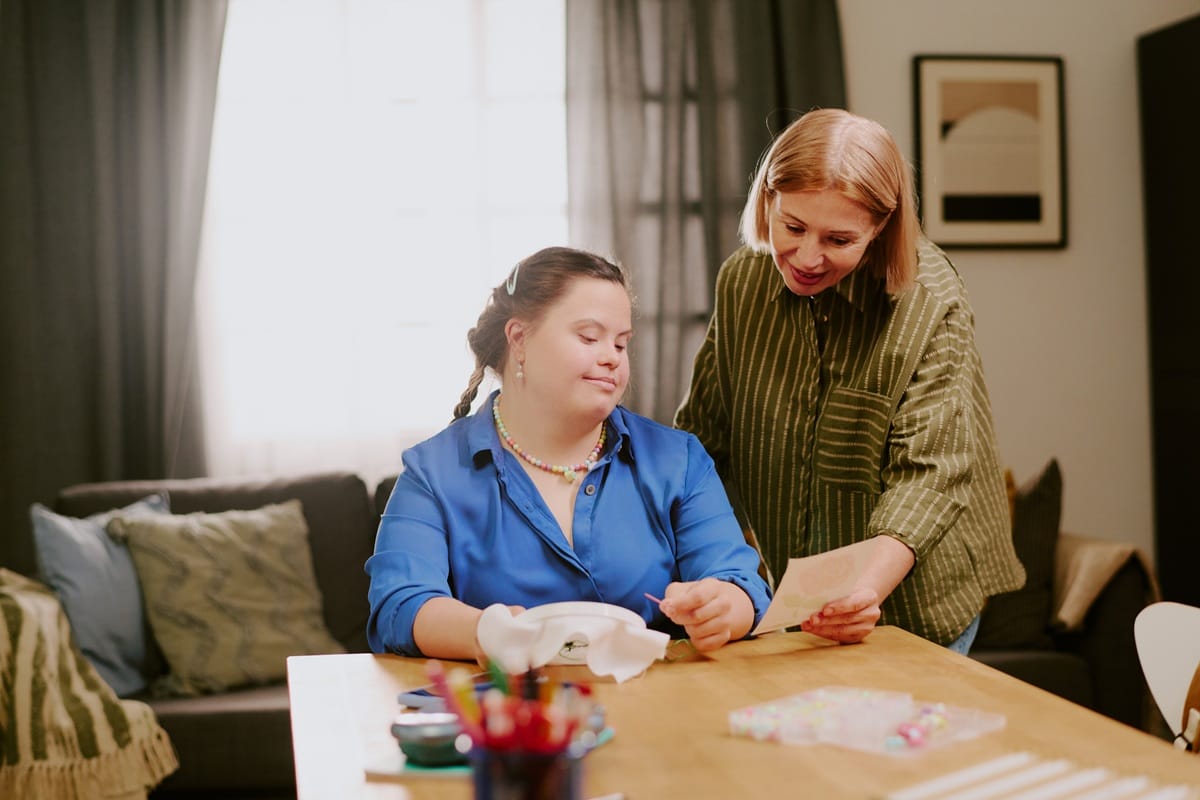
One of the real strengths of NDIS household tasks assistance is its flexibility. You choose the schedule, the tasks, and how things are done in your home. If you’re more alert in the mornings, schedule support then. If fortnightly works better than weekly, that’s your call.
Your provider should build a plan that fits your life, not the other way around. That includes respecting your preferences for how your home is organised, what products are used, and how much involvement you want in the process. It’s your home, and you get to set the terms.
Support can also evolve. If your health changes and you need more help, your funded supports can scale up. If your independence increases and you want to take on more yourself, your support worker can shift to a coaching role.
Your Core Supports budget is generally flexible across sub-categories, so you can often move funds between household tasks, personal care, transport, and community access as your priorities shift. Since 19 May 2025, new and reassessed plans release Core funding in quarterly instalments rather than as an annual lump sum. The total amount doesn’t change; it’s just released in stages.
If you want to build long-term household skills through therapy, that’s funded separately through Capacity Building. An occupational therapist can work with you on safe kitchen techniques, energy conservation during chores, or building consistent routines. Since 1 July 2025, allied health therapies must come from your Capacity Building budget, not Core Supports. The legislative changes introduced through the Getting the NDIS Back on Track Act also require all funded supports to link to your specific recognised impairments.
How we can help
That’s where we come in. Here at St Jude’s, we’re an NDIS-registered disability and aged care provider that’s been supporting people across Western Australia and Queensland for over 40 years. We don’t provide NDIS funding (that comes from the NDIA), but we do provide the services and coordination that help you use that funding well.
Our in-home support team works with you to build a household support plan that fits your life. Whether you need regular help with cleaning, laundry, and meal preparation, or you’d prefer a support worker who helps you develop your own skills and routines over time, we’ll match you with the right person and the right approach.
We also offer support coordination to help you understand your plan and make sure your funding covers what you actually need. And our allied health team, including occupational therapists, can help you build the daily living skills that make managing your home feel achievable—not overwhelming.
Whether you’re just starting to explore what’s available or you already know you need help around the house, we’re here when you’re ready. Get in touch or call us in WA on (08) 9279 4343, or in QLD on (07) 2800 6050.
You don’t need to have everything figured out before you reach out.
Both sit under Core Supports (Assistance with Daily Life), but they cover different things. Personal care is about taking care of yourself: showering, dressing, grooming, and mobility. Household tasks are about taking care of your home: cleaning, cooking, laundry, and organising. If your disability affects both, you can use a combination within the same budget. A support coordinator can help you work out how to use the funding effectively.
You can request a plan review to have Assistance with Daily Life added to your Core Supports. Gather supporting evidence from your GP, occupational therapist, or other health professional that clearly links your disability to your functional limitations at home. Be specific about which tasks you can’t do and what risks you face without support. Your planner, LAC, or support coordinator can guide you through the process. For a full walkthrough, see our guide on how to apply for the NDIS.
Yes. NDIS household tasks assistance is tailored to your routine. You choose the schedule, the tasks, and the level of involvement you want. Support can be weekly, fortnightly, or whatever works best for you. Your provider builds the plan around your life, your energy levels, and your goals. If your circumstances change, your support can be adjusted to match.
