
How to Live More Independently with a Disability
The Quick Version
- Living independently with a disability doesn’t mean doing everything without help — it means having choice and control over your own life.
- The NDIS funds independence through three budget categories: Core Supports (everyday assistance), Capacity Building (skill development and therapies), and Capital Supports (assistive technology, home modifications, and SDA).
- Living arrangement options include Supported Independent Living (SIL), Individualised Living Options (ILO), drop-in support, and Specialist Disability Accommodation — each suited to different levels of need.
- Practical skills like cooking, budgeting, travel training, and community participation can all be developed with NDIS-funded support from allied health therapists and support workers.
- If you’re a carer experiencing burnout, or a person with disability wanting more autonomy, these are signs it may be time to explore additional or different support.
- St Jude’s provides support coordination, allied health, in-home support, community participation, and housing services across WA and QLD. Call (08) 9279 4343 (WA) or (07) 2800 6050 (QLD).
If you’re a person with disability thinking about what a more independent life could look like — or a family member wondering how to support someone you love toward that goal — you’re not alone. Independence is one of the most common goals people bring to their NDIS plans, and one of the most meaningful.
But living independently with a disability doesn’t mean doing everything on your own. It means having the choice, the control, and the right support to live life on your terms. That might look like moving into your own place with some help around the house. It might mean learning to cook, manage a budget, or catch the bus by yourself. Or it might simply mean having more say over how your day goes.
Whatever independence looks like for you, there are real, funded pathways to get there — and this guide walks through them.
What does ‘living independently’ actually mean?
There’s a common misconception that independence means doing everything without help. It doesn’t.
In the context of disability, independence is about self-determination — making your own choices about where you live, how you spend your time, who supports you, and what your goals are. The NDIS itself is built around this idea, with ‘choice and control’ sitting at the heart of the scheme.
You might need a support worker to help with personal care every morning and still be living independently — because you chose that arrangement, you direct how it works, and it reflects your goals. A 2024 study of autistic adults found that independent living is primarily about securing personal space, managing sensory inputs, and having control over your environment — not about the absence of help. That same research found that only about one in six autistic adults successfully transition to living alone or with a partner, highlighting just how much the right support matters during that transition.
For families and carers, this reframe is worth sitting with. Supporting someone toward independence isn’t about stepping away. It’s about shifting from doing things for someone to enabling them to do things for themselves, at their own pace. That shift can feel uncomfortable at first — and that’s okay too.
NDIS funding that supports independent living
If you’re an NDIS participant, your plan already contains funding that can directly support your independence. Understanding how it’s structured helps you use it well — and a support coordinator can walk you through it if any of this feels overwhelming.
The NDIS divides funding into three budget categories, each designed to support different aspects of your life. Here’s how they relate to living independently with a disability:
| NDIS funding category | What it covers | How it supports independence |
| Core Supports | The most flexible budget. Covers everyday assistance — personal care, household tasks, meal preparation, community access, short-term accommodation (respite), transport, and low-cost consumables. Funds can generally be shifted between sub-categories. | Pays for support workers who help you live safely at home or in a shared arrangement. Also funds Supported Independent Living (SIL) for people who need more structured, ongoing support. Community access funding under Core Supports can cover things like attending social groups, trying new activities, building everyday social skills, and getting out into your local area with a support worker — all of which strengthen the confidence and connections that make independent living sustainable. |
| Capacity Building | Ring-fenced budgets for specific skill-building purposes. Key categories include support coordination, Improved Daily Living (allied health therapies like OT, physio, and psychology), Improved Living Arrangements (help finding and maintaining accommodation), and Increased Social and Community Participation. | Funds the therapies and training that build your long-term skills — from daily living routines and travel training to finding the right place to live. This is where independence is actively built over time. |
| Capital Supports | Highly regulated funding for one-off, higher-cost items. Not flexible between categories. | Covers assistive technology (wheelchairs, communication devices, smart home systems), home modifications (grab rails, accessible bathrooms, ramps), and Specialist Disability Accommodation (SDA) for those with extreme functional impairment or very high support needs. |
A couple of recent changes worth knowing about: From 1 July 2025, allied health therapies can no longer be funded from Core Supports. If you need occupational therapy, physiotherapy, psychology, or speech pathology, these must now come from your Capacity Building budget under Improved Daily Living. New and reassessed plans also now release funding in quarterly instalments (from 19 May 2025) rather than as an annual lump sum — your total plan amount doesn’t change, just the timing.
Living arrangements that support independence
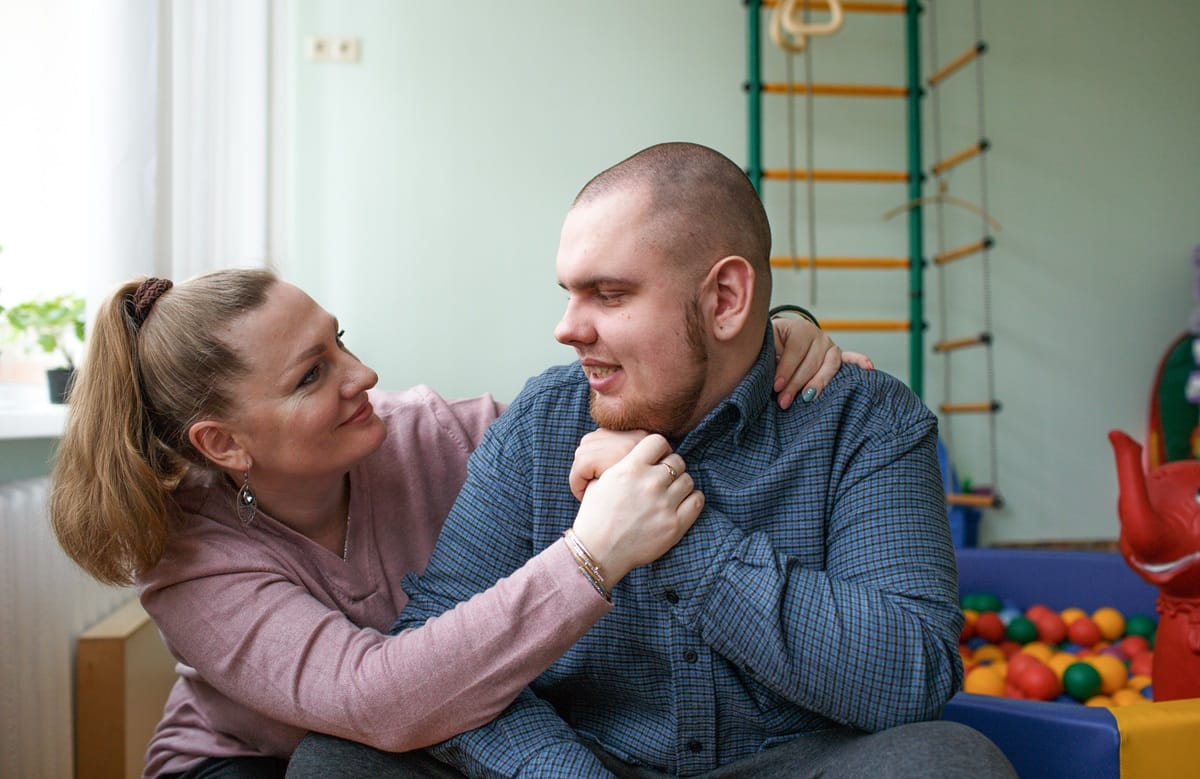
There’s no single model for living independently with a disability. The right arrangement depends on your support needs, your goals, and what feels right for you. Here are the main options under the NDIS.
Supported Independent Living (SIL) provides funded personal supports — often around the clock — typically in a shared living arrangement with other NDIS participants. SIL covers the cost of support workers for daily tasks like personal care, cooking, and household management, but it doesn’t cover rent or groceries. It’s best suited for people with higher support needs who benefit from regular, structured assistance. From July 2026, all SIL providers will need to be registered with the NDIS Quality and Safeguards Commission, which means stronger safety standards for everyone receiving this type of support.
Individualised Living Options (ILO) is a more flexible, person-centred model. It works in two stages — exploration and design, then implementation — and can include living with a host family, chosen housemates, or on your own with tailored support. ILO gives you more control over exactly who you live with and how support fits into your daily life. It’s a good fit if you don’t need 24/7 care but want something more personalised than drop-in visits.
Drop-in support suits participants with lower support needs who live in their own home or a mainstream rental. Support might range from an hour a week to several hours a day, focusing on specific tasks like medication management, meal preparation, or getting out into the community.
Specialist Disability Accommodation (SDA) funds the physical property itself — purpose-built, highly accessible homes. SDA is strictly the ‘bricks and mortar’; personal care within the home is funded separately through SIL or ILO. Eligibility is limited to participants with extreme functional impairment or very high support needs.
If you’re not sure where to start, a support coordinator can help you figure out which model fits and connect you with the right providers.
Practical ways to build independence every day
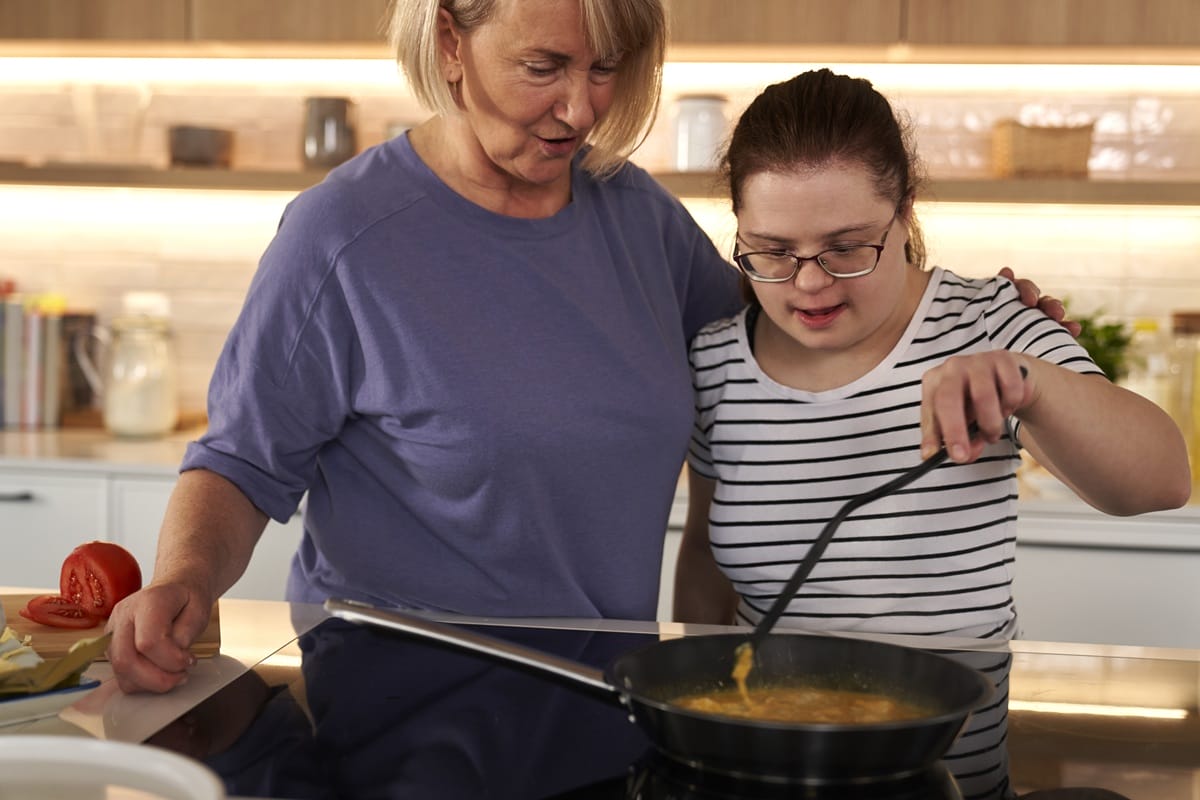
Independence is built gradually, one skill at a time. Many of these skills can be developed with support from your NDIS-funded allied health therapists or support workers — and the goal is always to reduce reliance over time, not to remove support entirely.
Daily living skills
Learning to manage personal care routines, cook meals, do laundry, and keep a tidy home are foundational. An occupational therapist can break complex tasks into manageable steps, identify what’s getting in the way — whether that’s sensory triggers, difficulty with time management, or an unsafe setup — and design visual schedules or routines that actually stick. Even something as simple as following a morning checklist or prepping a weekly meal plan can build genuine confidence. OTs are also the professionals who assess your home environment and recommend assistive technology or modifications that make daily tasks safer and easier.
Budgeting and financial management
Understanding how to manage money — paying bills, setting spending limits, distinguishing needs from wants, and using digital banking — is a big part of living independently with a disability. Support workers and OTs can work alongside you to build these skills in practical, real-world settings. Some NDIS plans include specific funding for financial skills training under Improved Daily Living.
Travel training
Being able to get yourself from A to B opens up everything — work, social life, appointments, community activities. The NDIS funds travel training under both Core Supports and Capacity Building. Learning to use public transport involves planning a journey, managing time, reading signage, and problem-solving when things go wrong. It’s complex, but with structured training, many people achieve real independence in getting around. Apps like Google Maps and location-sharing tools like Life360 can provide a safety net during the learning process.
Community participation
Joining a local class, attending community events, volunteering, or simply spending time in public spaces builds social confidence and connection. These activities can be part of your NDIS-funded support when they align with your goals — and they often support independence in ways that are harder to measure but just as meaningful.
When it might be time to consider more support
Sometimes the push toward independence doesn’t come from a plan review or a formal goal — it comes from recognising that the current situation isn’t working anymore.
If you’re a family member or carer, pay attention to how you’re feeling. According to the 2022 ABS Survey of Disability, Ageing and Carers, Australia has approximately 3.0 million informal carers. Of the primary carers in that group, 68% are women, and nearly 44% are living with a disability themselves. Carer burnout is common, and the signs tend to build gradually — deep exhaustion that sleep doesn’t fix, frequent headaches, disrupted rest. As strain increases, you might notice emotional withdrawal, growing irritability, or a creeping sense of resentment. Not because you don’t care, but because your body and mind are telling you the load is too much. Left unchecked, this can lead to feelings of helplessness, depression, and isolation.
Using short-term accommodation (respite) isn’t an admission of failure — it’s a necessary part of sustaining the care relationship. And if burnout is becoming chronic, it may be time to explore more permanent supported living options. Not as a last resort, but as a proactive step that protects both you and the person you care for. The Carer Gateway (1800 422 737) offers free counselling, respite planning, peer support, and emergency respite services.
If you’re a person with disability, trust what you’re feeling. Wanting more privacy, more say over your daily routine, or more freedom to make your own decisions are all healthy signs of readiness. You might be finding that you’ve outgrown your current living arrangement, or that you want to set boundaries around how and when support is provided. These are signs of growing self-advocacy — and they’re worth acting on. Talk to your support coordinator or raise it in your next planning meeting.
How we can help
At St Jude’s, we’ve been supporting people with disabilities across Western Australia and Queensland for over 40 years. We’re an NDIS-registered provider — which means we don’t provide NDIS funding (that comes from the NDIA), but we do provide the services and coordination that help you use that funding well.
If you’re exploring what living independently with a disability could look like, here’s how we can support you. Our support coordinators help you understand your plan, connect with the right providers, and work through decisions about housing, services, and goals. Our allied health team — including occupational therapists, physiotherapists, speech pathologists, and psychologists — works with you to build the daily living skills that make independence feel achievable, not overwhelming. We also offer in-home support for everyday tasks, community participation programs to build social skills and connection, recovery coaching for psychosocial disability, and housing and accommodation options, including SDA and short-term accommodation.
We know that taking the first step can feel like the hardest part. You don’t need to have everything figured out before you reach out. Whether you’re just starting to research your options or you’re ready to make a change, we’re here when you’re ready. Get in touch or call us in WA on (08) 9279 4343, or in QLD on (07) 2800 6050.
Not at all. Living independently with a disability means having choice and control over your life — not doing everything alone. Many people who live independently receive daily support from support workers, therapists, or drop-in services. The key is that you direct how that support works, and it reflects your goals.
Your Core Supports budget covers everyday personal assistance, household help, community access, and transport. Capacity Building funds skill development through allied health therapies, support coordination, and training for community participation. Capital Supports can fund assistive technology, home modifications, and Specialist Disability Accommodation if you’re eligible. A support coordinator can help you work out what’s available in your plan.
SIL is an NDIS funding model that provides personal support — often around the clock — typically in a shared living arrangement. It covers the cost of support workers for daily tasks but doesn’t cover rent, groceries, or the home itself. SIL suits participants with higher support needs who benefit from structured, regular assistance. From July 2026, all SIL providers must be registered with the NDIS Quality and Safeguards Commission.
Start by establishing a ‘home and living goal’ in your NDIS plan. This triggers funding for a support coordinator or allied health professional to begin exploring your options. From there, you can gather evidence, trial short-term stays, and work toward finding the right living arrangement. It’s a gradual process — and you don’t have to have all the answers before you start the conversation.
Carer burnout is a real and recognised issue — and it’s more common than many people realise. If you’re experiencing ongoing exhaustion, emotional withdrawal, or a sense of helplessness, reach out for support. The Carer Gateway (1800 422 737) offers free counselling, respite planning, peer support, and emergency respite services. You can also explore short-term accommodation through the NDIS, and talk to a support coordinator about whether more permanent supported living options could help.
, Capacity Building (skill development and therapies), and Capital Supports (assistive technology, home modifications, and SDA). Living arrangement options […]&media=https://stjudes.com.au/wp-content/uploads/2026/06/How-to-Live-More-Independently-with-a-Disability.jpg)